Malaysia Airlines Golden Lounge Review

Jason Cooper
7, March 2026
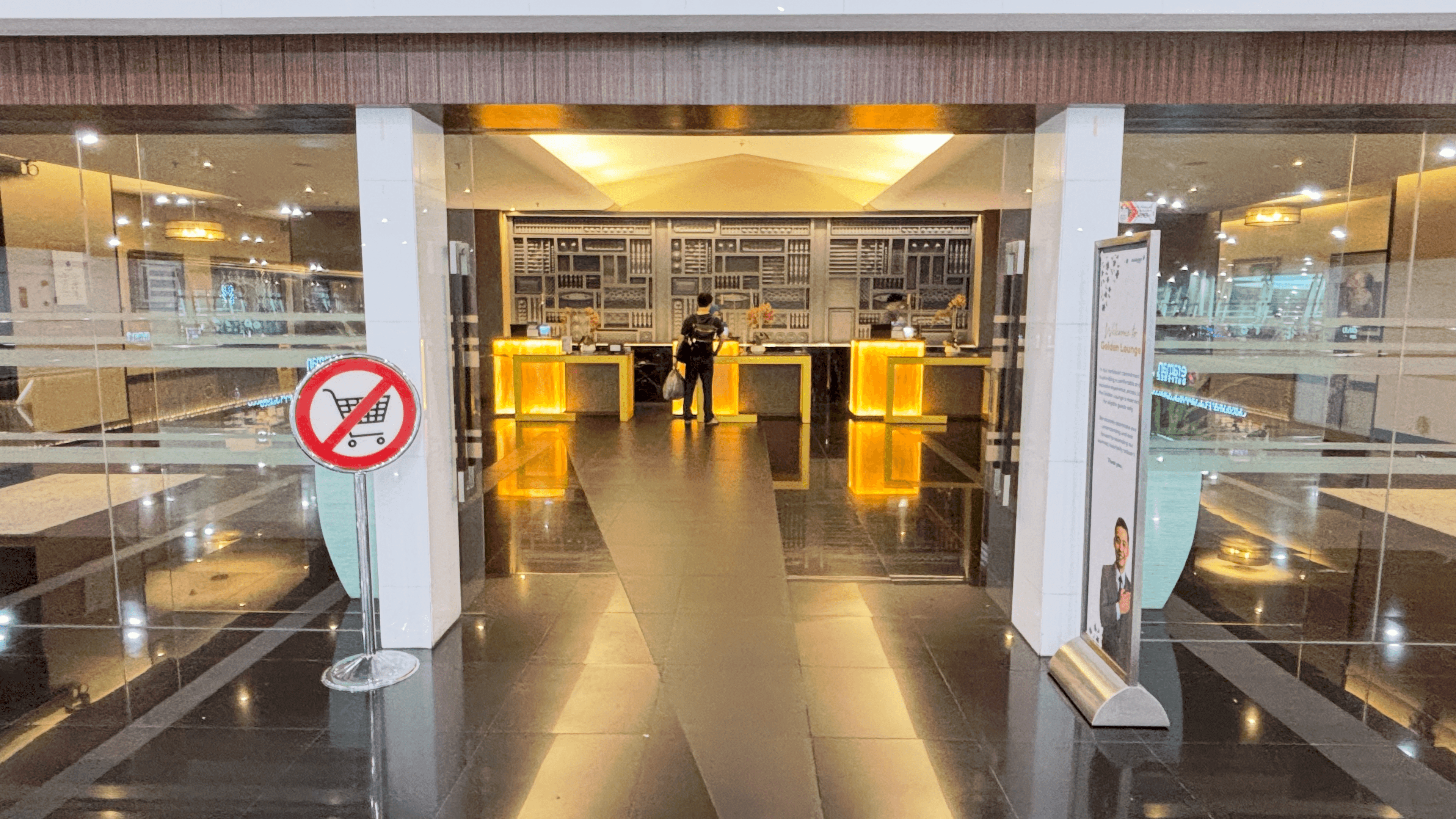
First Impressions & Layout
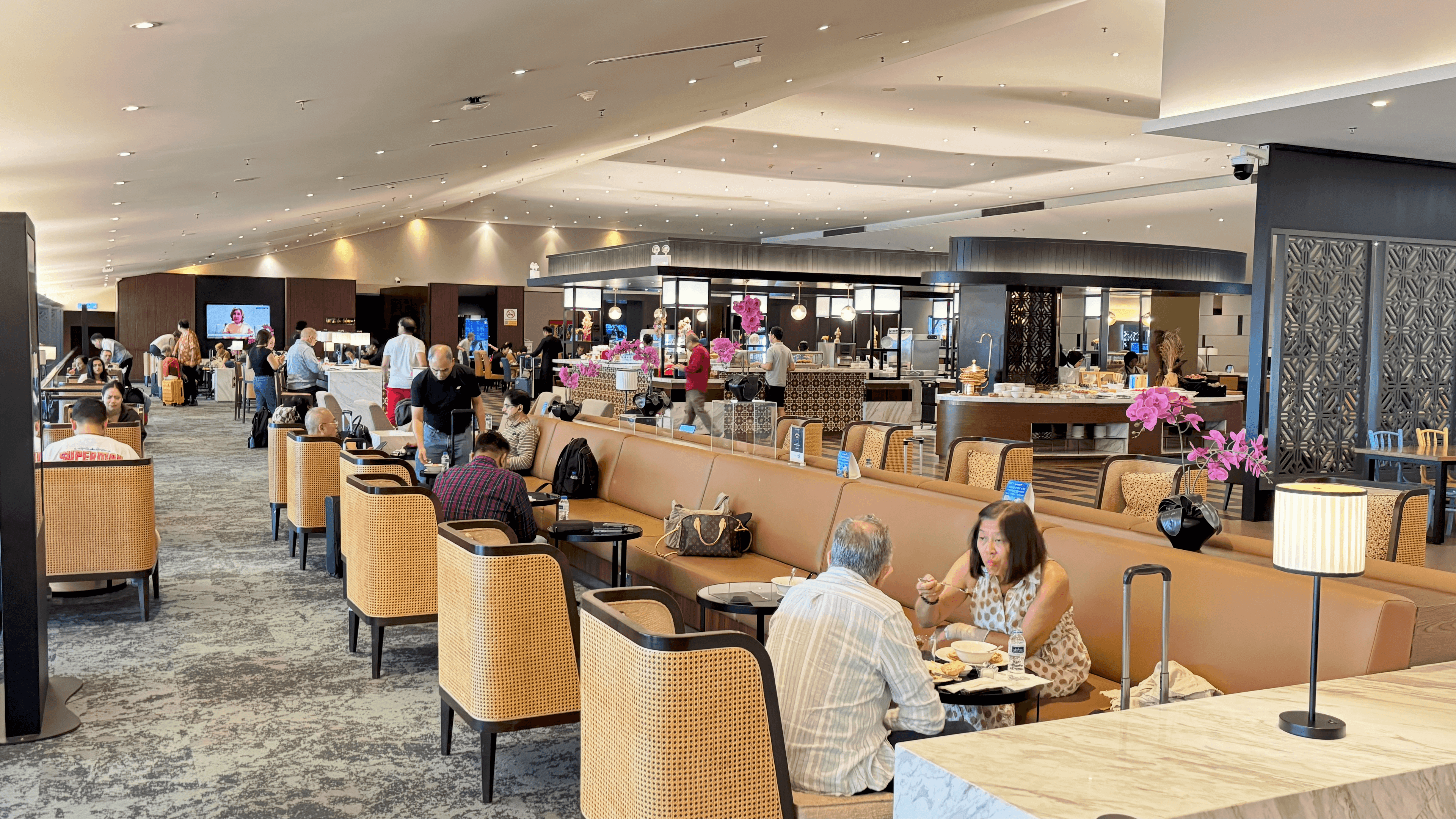
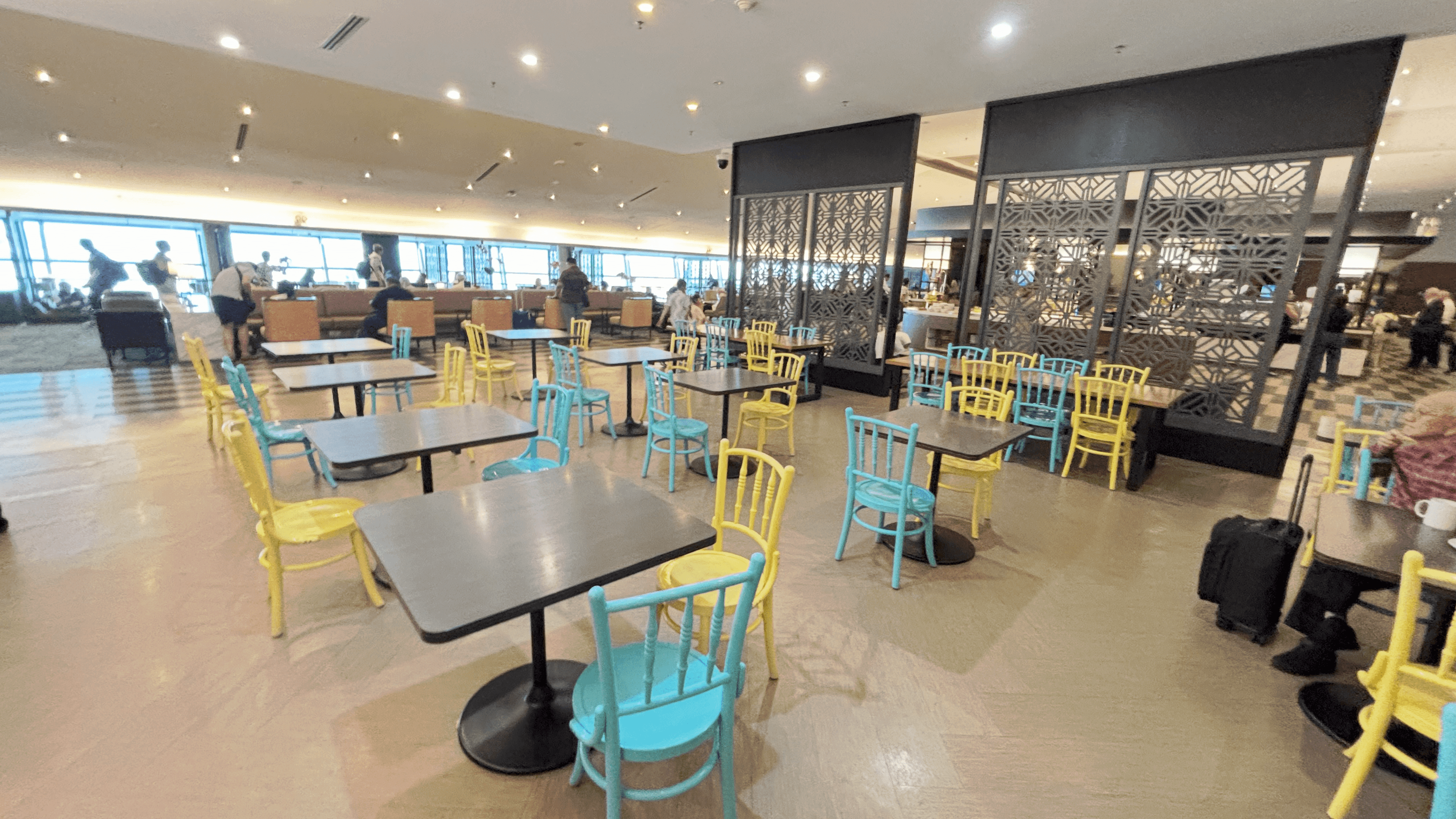
This is a huge lounge where the space has been broken up into multiple zones - dining areas, quieter seating pockets, semi-private pods, and work-friendly sections. It’s laid out in a way that feels intentional and calming.
The overall design leans strongly into Malaysian heritage, but in a modern, polished way. You’ll notice rattan-style chairs, patterned partitions, warm colours, and textures that immediately give the lounge a sense of place. This isn’t a generic international lounge - you know exactly where you are, and they’re fully embracing a Malaysian and South East Asian vibe.
The Food - A Real Differentiator
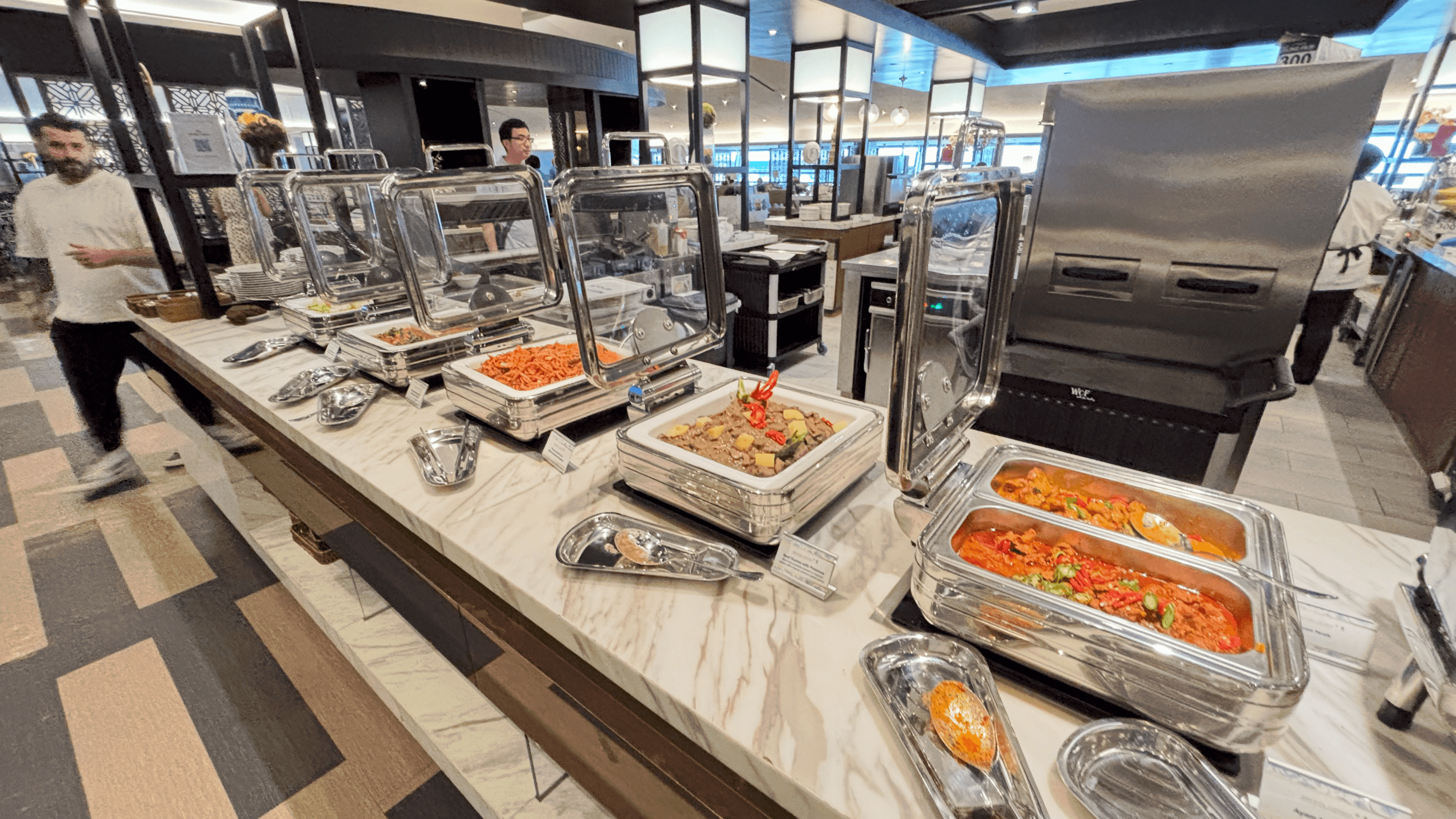
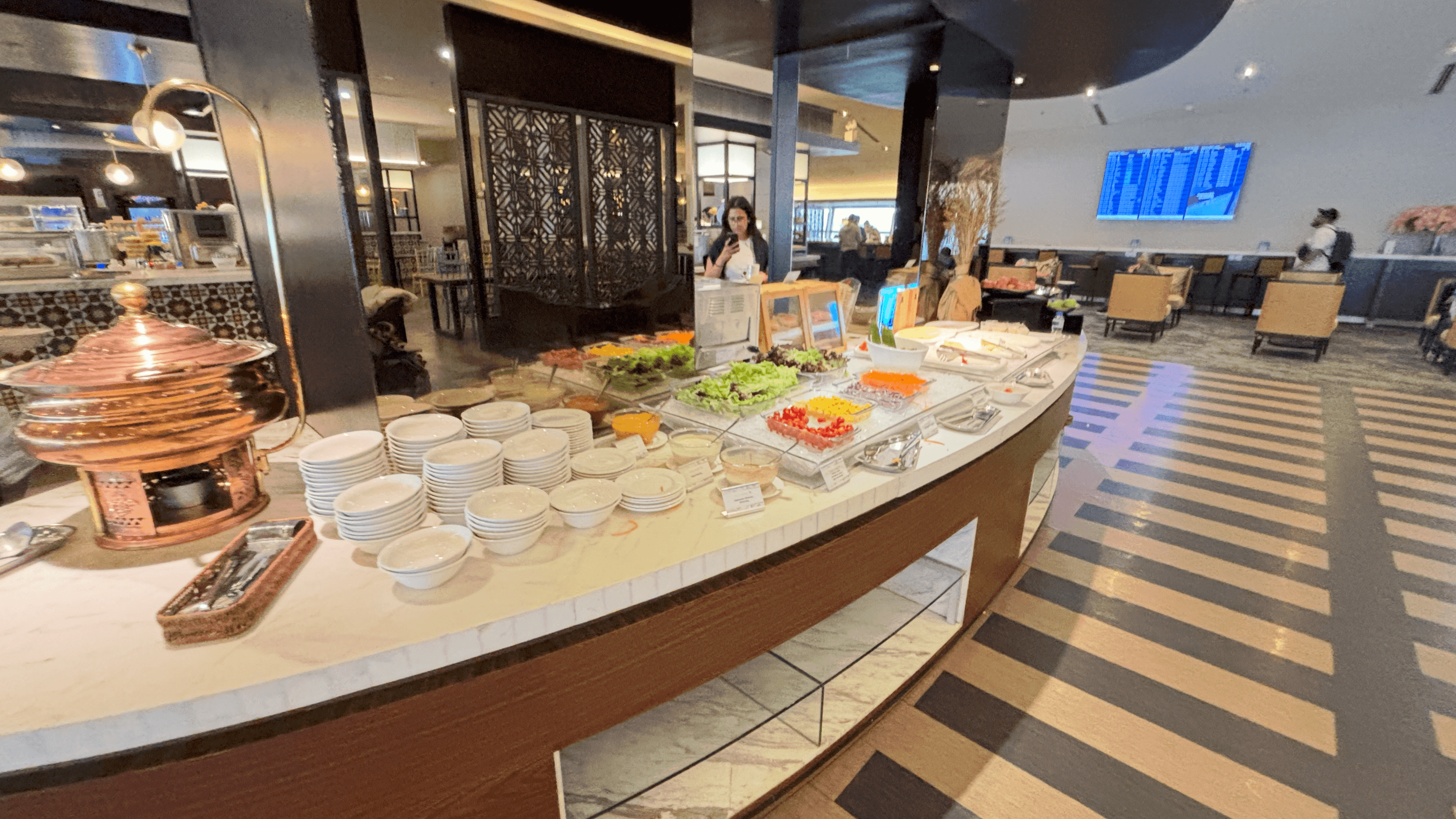
If there’s one area where Malaysian lounges completely outperform many Australian lounges, it’s the food. Here, they’ve actually made a proper effort to represent the local cuisine and flavour: it’s genuinely delicious and distinctive. There’s a central buffet area supported by multiple stations, including:
- A noodle kitchen serving laksa, ramen, and tom yum style soups
- A pasta station with made-to-order dishes
- Steamed dim sum dumplings inside a separate canteen style area
- A separate salad bar
- Strong vegetarian options, reflecting Malaysia’s diverse population
What really stands out are distinctive flavours and spices; not everything is super hot, but it's incredibly flavoursome. Dishes like laksa and rendang aren’t toned down or generic - they’re bold, flavourful, and culturally iconic. You immediately know you’re in Southeast Asia just by what’s on the plate.
Compared to many Australian lounges, which often play it safe with neutral, broadly appealing menus, the food here feels like part of the experience rather than an afterthought. It’s one of those airport lounges where you actually look forward to eating.
Bar Situation
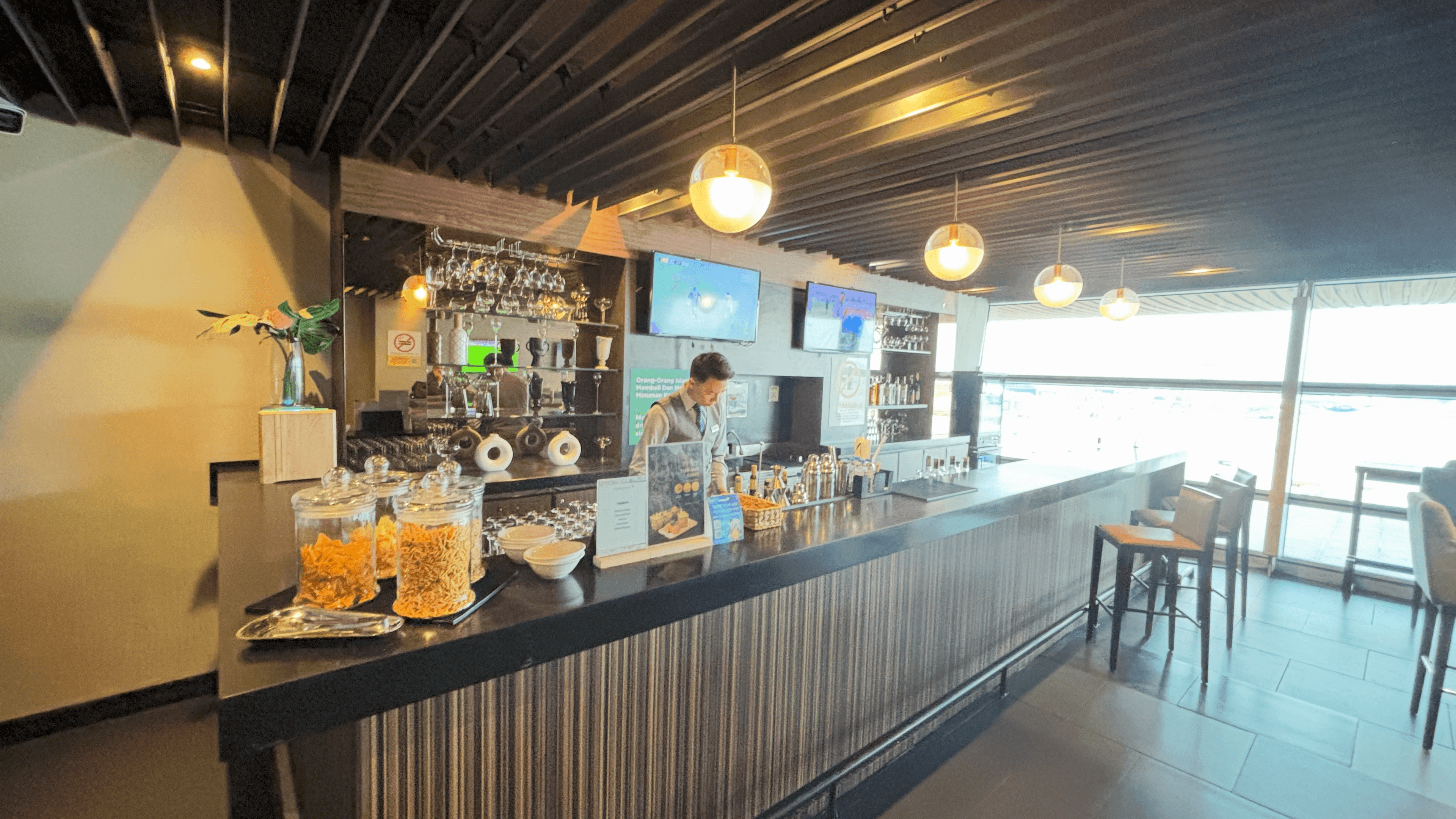
One thing worth noting is that the bar isn’t immediately obvious when you first walk in. It’s located off to the side near the entrance rather than alongside the main dining areas, so it’s easy to miss initially and I actually walked right past it, first time.
Alcohol service is kept separate from the central food hall. If you’d like a drink, you need to visit the bar area, grab your beverage, and then take it back to where you’re sitting. Once you know the layout it’s straightforward, but it’s not of those situations where the bar is front and centre and more likely a deliberate choice based on cultural norms.
Seating and Privacy
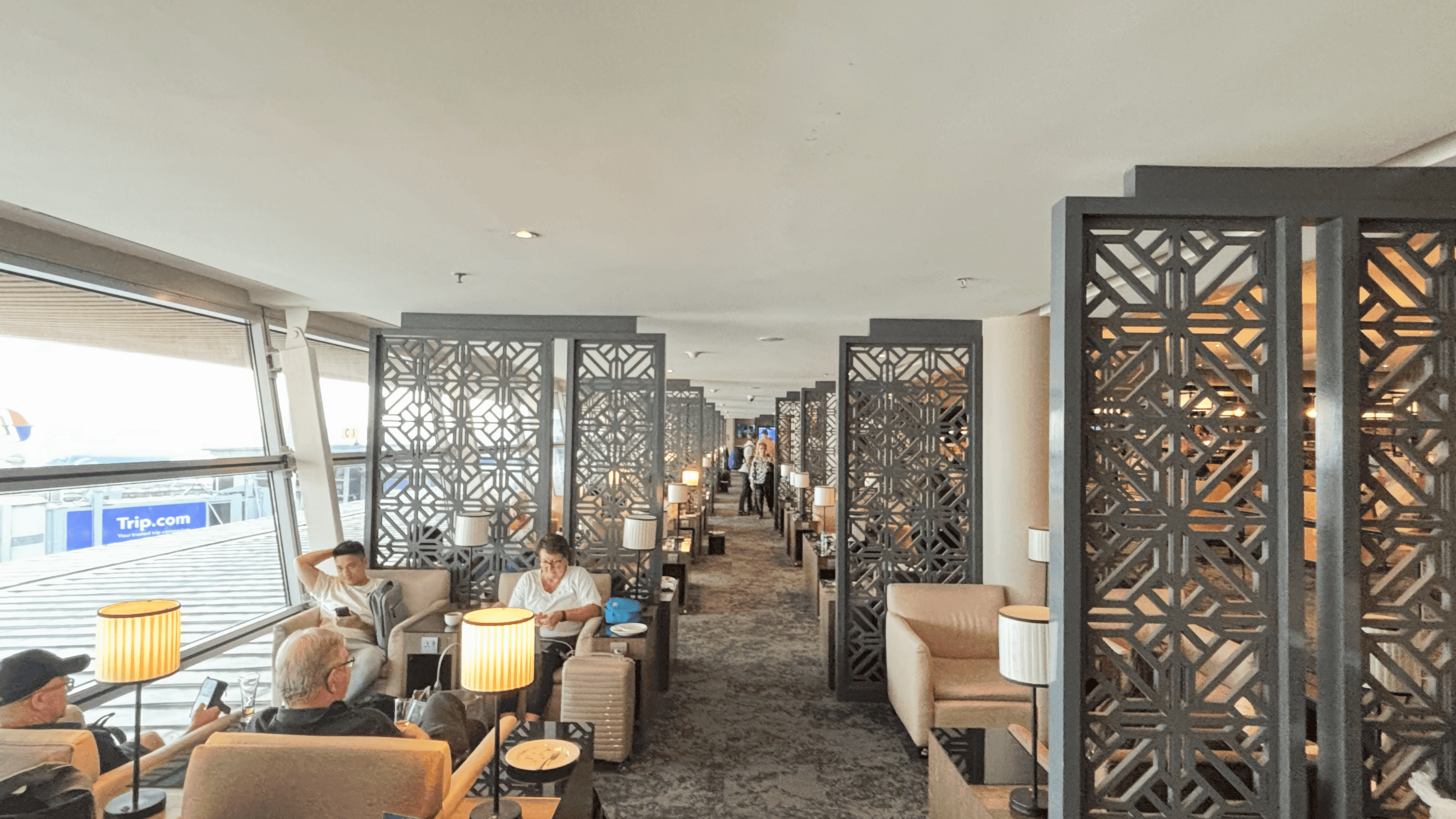
One of the standout features of this lounge is a quieter zone made up of semi-private seating pods. These are small clusters of four to six seats, divided by decorative partitions that provide privacy without closing the space off completely.
Each pod has easy access to power and charging points, making it ideal for working or relaxing. Many of these seats also enjoy excellent runway and apron views, which adds to the overall experience - especially if you enjoy watching aircraft movements.
This area is also slightly sunken and set back from the main dining zone, so it feels noticeably calmer and more relaxed.
A Resort-Like Atmosphere
Despite being an airport lounge, parts of the Golden Lounge feels resort-like. The way the large space is broken into smaller, intimate areas, combined with the tropical design cues and natural materials, creates an atmosphere more reminiscent of a Southeast Asian resort than a transit hub.
It’s the kind of place where you naturally slow down. You sit back, plug in, look out at the runway, and for a moment forget you’re in an airport at all. That sense of escapism is hard to achieve in a lounge this size but Malaysia Airlines has done it exceptionally well.
Final Thoughts
The Malaysia Airlines Golden Lounge in Kuala Lumpur is a proper example of a flagship lounge done right. What really makes this lounge stand out is how confidently it leans into cultural identity through both design and food. The combination of outstanding food, culturally rich design, smart zoning, and a calm, resort-like atmosphere makes it one of the most enjoyable airport lounges in the region.
If you have access, this is absolutely a lounge worth arriving early for.

